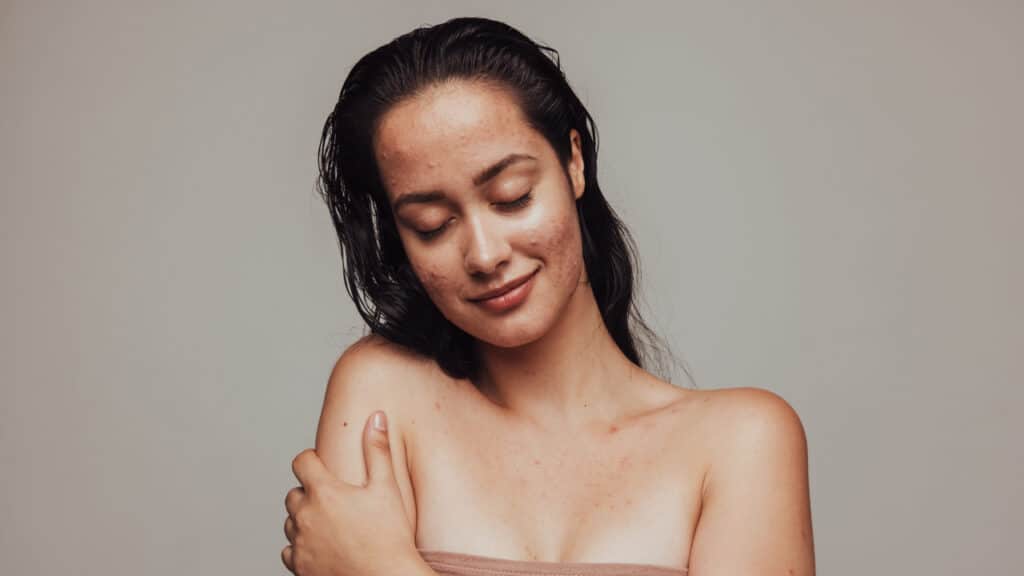




Acne is a very common condition that affects almost 20% of the Canadian population, according to the Canadian Dermatology Association. And yet, so many people only think of puberty as the time in life when acne is prevalent and bothersome.
The truth is that adult acne in the 30s or 40s is much more commonly occurring than you may think. To help you understand the causes of adult acne, as well as treatments that may help, the team at Felix put together this page of useful information.
If you’d like to talk to a practitioner today about adult acne treatments that may work for you, just complete a short online assessment to get started.
What Causes Sudden Acne in Adults
There are a variety of reasons that acne may suddenly occur in adults. Some of the most common causes of adult acne include:
Hormonal Changes
Like puberty, there are certain life stages that adults go through, which may cause adult acne to occur.
For instance, menopause (specifically perimenopause, the first stage in the menopause transition) can cause hormonal fluctuations very similar to those that happen during puberty. That’s part of the reason why many practitioners think about menopause like puberty, but in reverse.
Also, when someone becomes pregnant, fluctuating hormones brought on by the pregnancy can also cause adult acne to occur.
Medications & Topical Products
Performance-enhancing drugs, like steroids, have the common side effect of causing adult acne, as well as gender affirming care that uses certain types of treatments (i.e., testosterone, estrogen, androgen, etc.).
Starting new skin products that aren’t made to work with your type of skin, or that contain certain types of ingredients, may also cause adult acne. That’s why you should look for non-comedogenic products when you’re managing your skin care.
In addition to these causes, some prescription medications may also cause adult acne, such as corticosteroid medications, birth control medications, as well as lithium-based medications.
Medical Conditions
There are a few different medical conditions that are also known to cause adult acne.
These include, but aren’t limited to:
- Cushing’s Syndrome
- Tumours that are secreting hormones
- PCOS
While it isn’t considered a condition in itself, stress is also a well-known trigger of adult acne breakouts, although it doesn’t cause adult acne directly.
Is Acne in Your 30s & 40s Normal?
Yes, getting adult acne in your 30s or 40s is totally normal. It happens to lots of people. If you’ve been wondering, “When does adult acne stop?”, the truth is, it might not. Not without treatment, at least.
Most often, adult acne happens because of hormonal changes, medications that you may be taking for other medical conditions, or even simple genetic predisposition, which can cause people to experience adult acne for seemingly no reason at all.
It’s important to remember that even if you’re not sure what’s causing your adult acne, there are treatments that can help.
Get started with Felix today, and one of our expert practitioners will be happy to discuss which adult acne treatment options may be right for you, based on your health, medical history, and the severity of your adult acne symptoms.
Can Stress Trigger Adult Acne?
As we mentioned, stress isn’t a direct cause of adult acne. However, it can be a trigger for the condition to present if you’re predisposed to it.
Stress can also worsen acne outbreaks, due to the temporary increase in stress hormones, as well as other proinflammatory proteins that cause adult acne.
Plus, stress has a tendency to disrupt our normal daily routines. It can lead to forgetfulness, resulting in missing doses of acne medications, or making poor dietary choices, in order to enjoy ‘comfort foods’.
What are Other Reasons for Adult Acne?
Sometimes acne never stops after adolescence in some individuals, leading to adult acne in the 30s, 40s, 50s, etc.
This could be the result of genetic or biological factors, hormonal imbalances, chronic medical conditions, or having to take medications that cause adult acne to treat other conditions.
How Can Adult Acne Be Treated?
In some cases, the best treatment for adult acne is to treat the underlying conditions that are causing the acne to occur. If medications are believed to be the cause of your adult acne, talking to your practitioner about whether there are alternative medications you can try, may also be beneficial.
If you’re using certain hair or facial cosmetics that could be causing your adult acne, switching to alternative products may reduce the frequency and severity of your adult acne breakouts.
For those exploring over-the-counter adult acne treatments, salicylic acid and benzoyl peroxide are considered the most effective ingredients, so look for products that contain both of these.
When discussing prescription treatments with a practitioner, there are both topical (i.e., retinoids, antibiotics, azelaic acid, etc.) and oral adult acne treatments that may potentially be used as part of your treatment plan, depending on your individual needs and the recommendations of your practitioner.
In the case that these adult acne treatments aren’t working, there are some alternative options you can try, such as:
- Laser treatments
- Chemical peels
- Other dermatological procedures
SIDE NOTE: Some treatments will require a specialist consultation if you’re interested in having them done. However, Felix doesn’t offer specialist consultations through our services at this time.
When Should I Talk to a Healthcare Practitioner About Adult Acne?
If you’ve been taking care of your skin, you’re living a healthy lifestyle, and you’re still experiencing bothersome symptoms of adult acne, it could be time to talk to a healthcare practitioner at Felix.
To get started, just complete a short online assessment (at your convenience), and then one of our practitioners will evaluate what adult acne treatments might be right for you, based on your health, medical history, and the severity of your symptoms.
With Felix in your corner, you can take back control of your health and quality of life, so that you can get back to living life on your terms – the way it should be.