


Birth control, like any medication, has been studied for its potential side effects. Therefore, there is an answer about its relationship to changes in a person’s weight.
This page answers common questions, such as “Does birth control make you gain weight?” and “Which birth control is known to cause weight gain?” It also provides practical tips for how to lose weight while on birth control.
*Editor’s note: At Felix, we recognize and appreciate that not everyone with female hormones identifies as a woman.
Ready to start your weight loss journey?
Get a personalized treatment plan from a Canadian nurse practitioner 100% online, with free delivery and ongoing support.
How does birth control affect weight?
Before we dive into potential connections between birth control and weight gain, it’s important to remember that while some birth control pills may cause weight gain, it will be highly dependent on the individual who’s taking the medication.
Some people are much more likely to be susceptible to weight gain while on birth control, and unfortunately, there is no single best birth control to avoid weight gain, especially because certain lifestyle factors (i.e., diet, exercise, etc.) may also be impacting your weight.
From a chemical perspective, older forms of birth control are known to increase estrogen levels more drastically than modern birth control medications. In turn, these medications were known to cause fluid retention in some patients.
Does birth control cause weight gain?
The potential for weight gain is a common concern for many considering or currently using hormonal birth control methods.
It’s important to recognize that for most, the weight changes associated with birth control are usually temporary and affect only a small percentage of people.
Additionally, the effects aren’t universal, and the relationship between hormonal birth control and weight changes is complex. Therefore, it’s unclear whether birth control can make you gain weight directly or if it could be related to other factors in your life.
It’s also difficult to separate the effects of birth control from other lifestyle and physical changes, which may also be causing weight gain. You should seek medical advice for any sudden, unexplained decrease or increase in weight, regardless of whether you take birth control.
What does the evidence suggest?
Does birth control make you gain weight? For most, there won’t be any major weight changes following birth control use. For others, there may be a slight increase or decrease. A major review of studies published by Informed Health found that evidence was often contradictory, with some women reporting weight gain and others weight loss. As a result, both tend to be included on medication information sheets.
Overall, significant long-term weight gain is not a common side effect of most forms of hormonal contraception. Every individual is unique and may react differently to any medication, including hormonal contraception. In the instance of weight gain, it’s important to explore all potential causes before attributing it to contraception.
What is the primary reason birth control causes weight gain?
The possibility of weight gain due to birth control is often linked to two primary factors: water retention and increased appetite.
Water retention
The hormonal changes that occur when starting a hormonal birth control method can sometimes cause the body to retain more fluid. This retention often occurs in the breasts and hip areas, which can cause some women to feel like they’ve gained weight.
It’s important to recognize that this isn’t actual fat gain but rather a temporary fluctuation in the body’s water levels. The fluid retention typically lasts for a short time, often declining within a few months as the body adjusts to the hormonal changes.
If you’re looking for help on your weight loss journey, and you believe your current birth control is making you gain weight or negatively impacting your weight management, don’t hesitate to talk to a healthcare practitioner, who can provide you with the guidance and support you need.
Increased appetite
Some women might experience increased appetite when using hormonal birth control. But it’s not everyone who experiences this side effect, and the effect can vary widely among those who do.
In most cases, these potential weight changes diminish over a few months once the body has had time to adjust to the hormonal changes brought on by the birth control method.
Types of birth control associated with weight gain
While most birth control methods are not associated with significant weight gain, one that often raises concern is the contraceptive injection, specifically DMPA (Depo-Provera).
A study published in the American Journal of Obstetrics and Gynecology noted a small increase in body fat and a decrease in lean body mass among users of Depo-Provera. It’s worth noting that these changes were relatively minor and could differ from person to person.
However, some studies show more weight gain with DMPA and others show that the weight gain may not be significant. There are several other commonly used birth control methods that are not typically associated with weight gain:
Birth control pill
The contraceptive pill, whether a combined hormonal pill (containing both estrogen and progestin) or a progestin-only pill, has not been definitively linked to significant weight gain.
Intrauterine devices (IUDs)
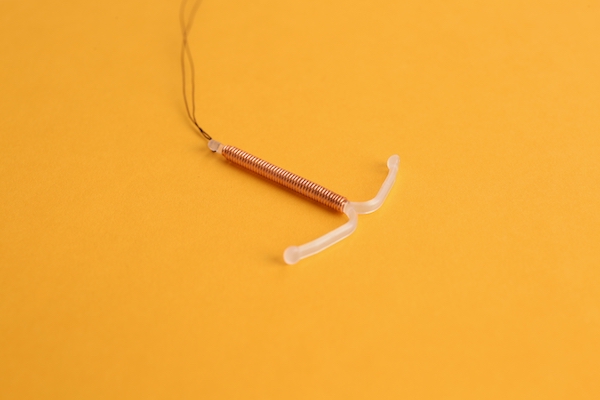
Both hormonal and non-hormonal IUDs are not typically linked to significant weight gain in most patients. These devices work by releasing small amounts of progestin (hormonal IUD) or using copper (non-hormonal IUD) to create a hostile environment for sperm. They primarily impact the uterus and may have less systemic hormonal influence compared to other methods.
Contraceptive patch and ring
Other hormonal methods, such as the birth control patch and vaginal ring, have also not been definitively linked to weight gain. Like the pill, these methods release estrogen and progestin into the body.
Ultimately, while the link between birth control and weight gain is often discussed, there’s no substantial evidence to support this. Any minor weight changes that occur are most frequently temporary and often resolve as the body adjusts to the new method of birth control.
Always consult a healthcare practitioner to discuss the best contraceptive method for your circumstances and lifestyle. You can start a consultation with a Felix healthcare practitioner online to discuss the best contraceptive choice for you.
Is it harder to lose weight on birth control?
So, does birth control make it harder to lose weight? There is no definitive evidence that suggests birth control directly impacts a person’s ability to lose weight. While hormonal changes brought on by contraception can potentially cause short-term changes in weight, these are generally related to fluid retention rather than fat accumulation.
As mentioned earlier, the body often adjusts to these hormonal changes within a few months, leading these fluctuations to resolve independently. This implies that most individuals don’t need to alter their weight management plan if they’re taking birth control.
Regular monitoring and discussions with a healthcare practitioner are essential to manage any side effects and make any necessary adjustments to your contraceptive method.
Tips for weight management while on birth control
Weight management and weight loss are very complicated and are very different for everyone. Most treatment options have been shown to work best when combined with a healthy lifestyle, whether on birth control or not.
Here are a few tips that promote overall health and may help with weight management when starting birth control.
Regular exercise
Regular physical activity helps with weight management and is important for overall health, cardiovascular health, mood, and energy levels. The type of exercise can vary based on personal preference – from brisk walking and jogging to weight training or yoga.
Balanced diet
Eating a well-balanced diet rich in fruits, vegetables, lean proteins, and whole grains may help manage weight, promote overall health, and provide the body with essential nutrients. You can also explore how to manage caloric deficits using our useful calorie deficit calculator tool.
Adequate sleep
Quality sleep is often overlooked when considering weight management. Poor sleep can disrupt the hormones that regulate appetite, leading to increased hunger and potential weight gain.
Stress management
Chronic stress may influence weight by increasing various hunger hormones, which may increase your cravings for high-calorie comfort foods. Engaging in stress-reducing activities like meditation, deep breathing exercises, yoga, or any relaxing hobby may be helpful for managing chronically elevated stress levels.
Regular healthcare consultations
Regular check-ups with a healthcare practitioner are essential, especially when starting a new birth control method. If you have concerns about weight changes or other side effects, discuss them with your healthcare practitioner. With Felix, you have unlimited follow-ups as part of any birth control treatment plan to ensure your journey is a healthy one.
Always remember that maintaining a healthy lifestyle, including a balanced diet and regular exercise, is critical for overall health and weight management.
Other effects of birth control and weight loss
Though minor weight fluctuations may occur in some people when starting a new hormonal birth control method, it’s crucial to note that substantial, long-term weight gain is not a common side effect.
These temporary changes are most frequently due to water retention or increased appetite and usually subside as the body adjusts to the new hormonal balance.
In some other cases, people have reported experiencing symptoms like headaches, migraines, changes in libido, mood changes, and some other, more rarely occurring side effects. It’s important to remember that these side effects are much less commonly occurring.
People experiencing these side effects may notice that they lessen or disappear as their bodies adjust to their birth control medication.
Any concerns or side effects should be discussed openly with a licensed Canadian healthcare practitioner. They can provide personalized advice, reassurance, and possible alternatives to ensure the chosen contraceptive method aligns with an individual’s health and lifestyle needs.
Why you should speak to a healthcare professional
Are you interested in switching to a new type of birth control? Do you believe that your current birth control makes you gain weight? Would you want to explore potential options for how to lose weight on birth control or how to manage cravings if your birth control does make you hungry? All of these issues, and more, could be solved by contacting a practitioner at Felix.
Our team of experts will be happy to evaluate your situation so that we can try to help you find the best birth control for you to avoid weight gain and help you take back control of your health and happiness.
With Felix in your corner, you can get back to living life on your terms – the way it should be.