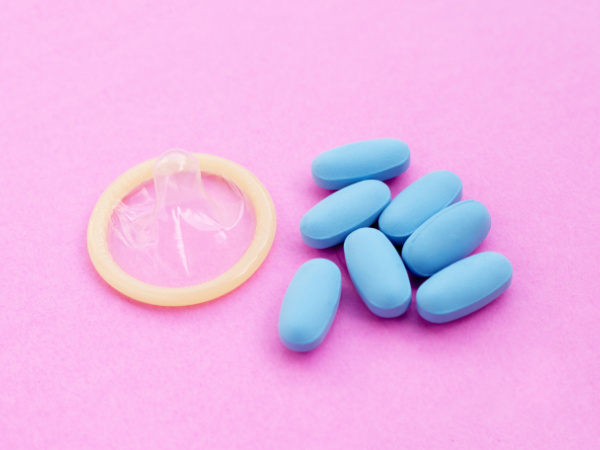
A top is someone who is the insertive partner during anal intercourse. Generally, both partners have the same risk of getting sexually-transmitted infections (STIs) regardless of the type of intercourse, but for the top, their risk is lower than for the bottom.
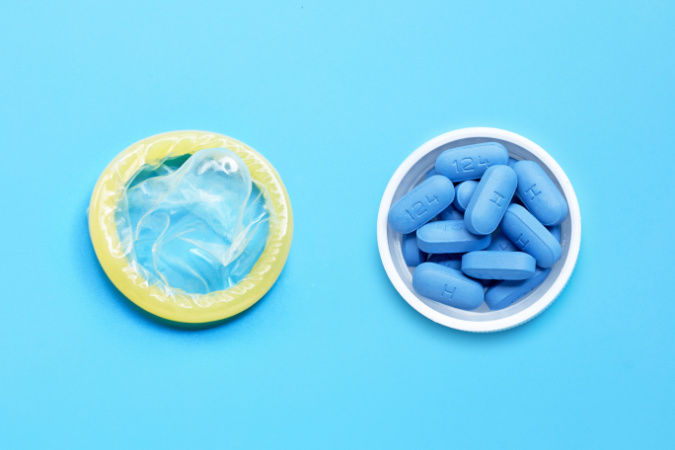
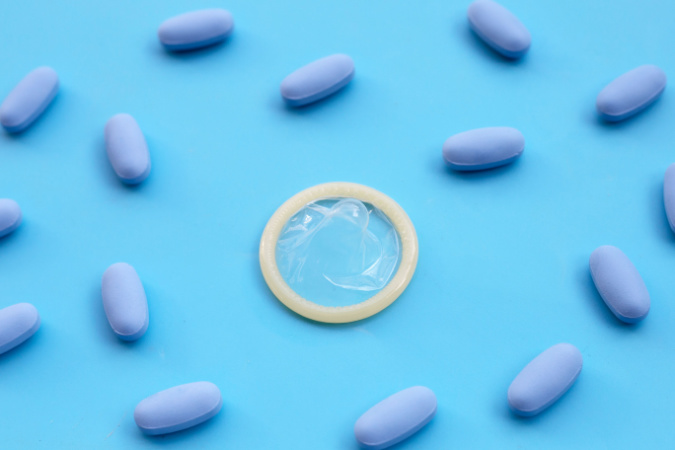
PrEP (pre-exposure prophylaxis)makes it possible to protect yourself from HIV even when engaging in sexual encounters where there is a high risk of contracting it.
PrEP (pre-exposure prophylaxis) is an important HIV prevention tool, but the answer isn't so straightforward when protecting yourself after potential exposure to the virus. PrEP can be taken up to 72 hours after a potential exposure to HIV and has been shown to reduce the risk of infection.
PrEP, or pre-exposure prophylaxis, is a medication used to reduce the risk of HIV, the virus that can lead to AIDS. Because of its effectiveness, it is often recommended to individuals with a high risk of getting HIV.
We live in the real world, and there will be days when we take our pills late or *gasp* even miss a pill. We’ve poured over studies to find out if you can take PrEP two hours late, three hours late, and even a week late.
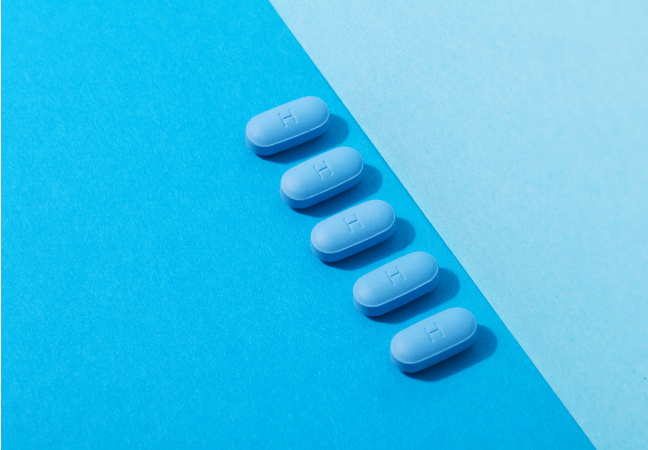
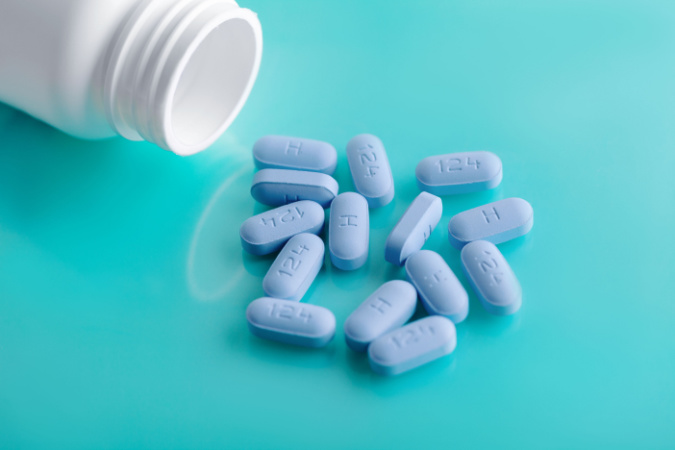
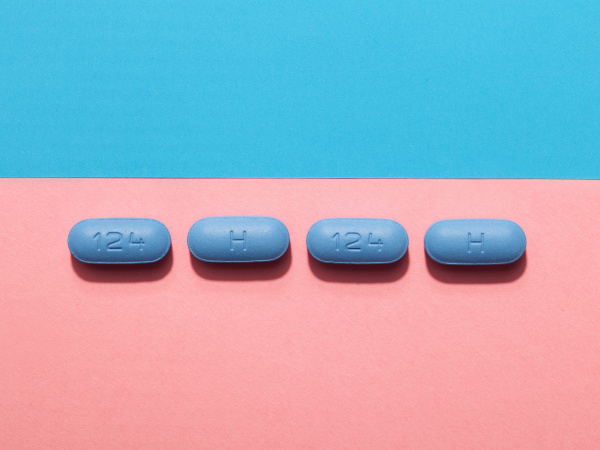
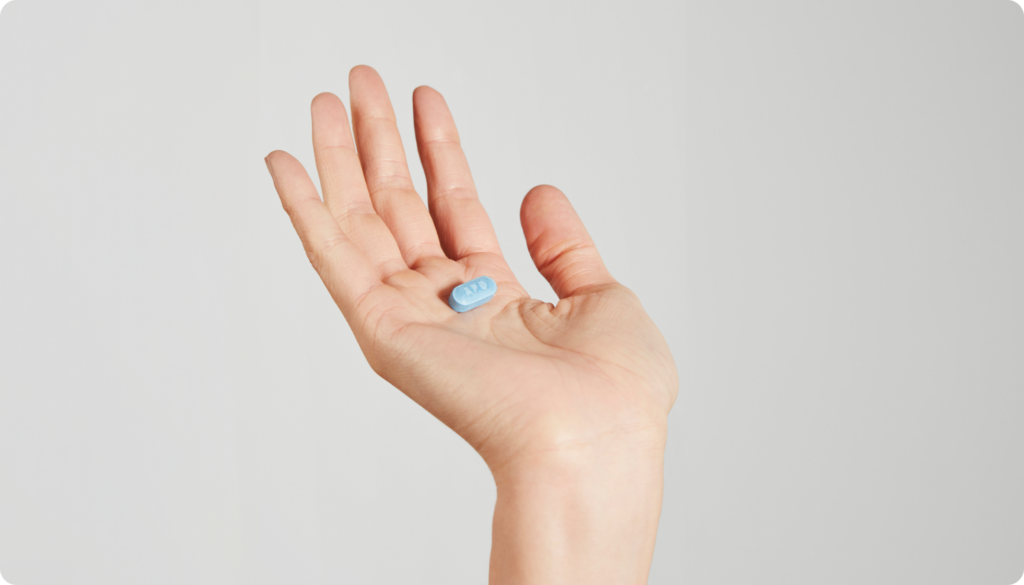
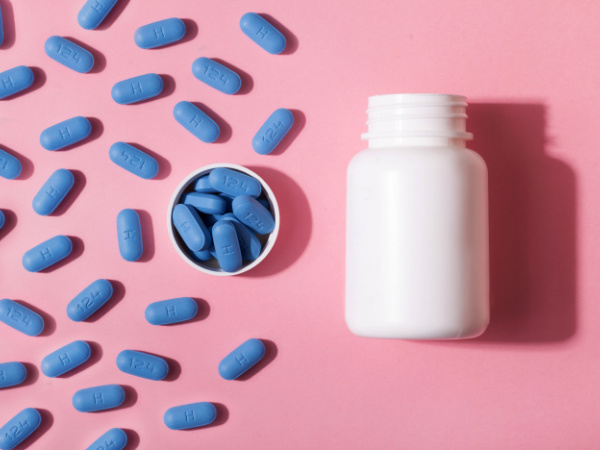
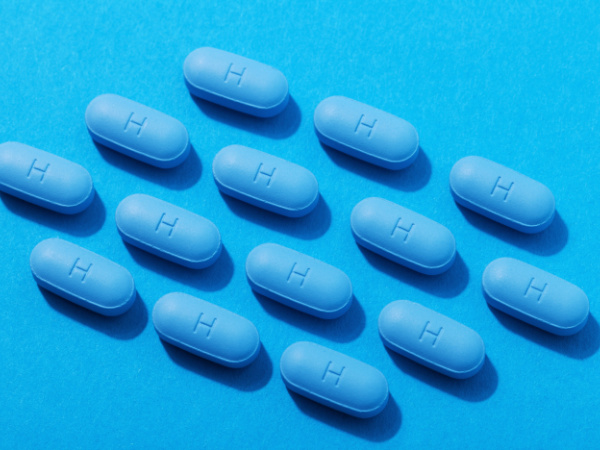
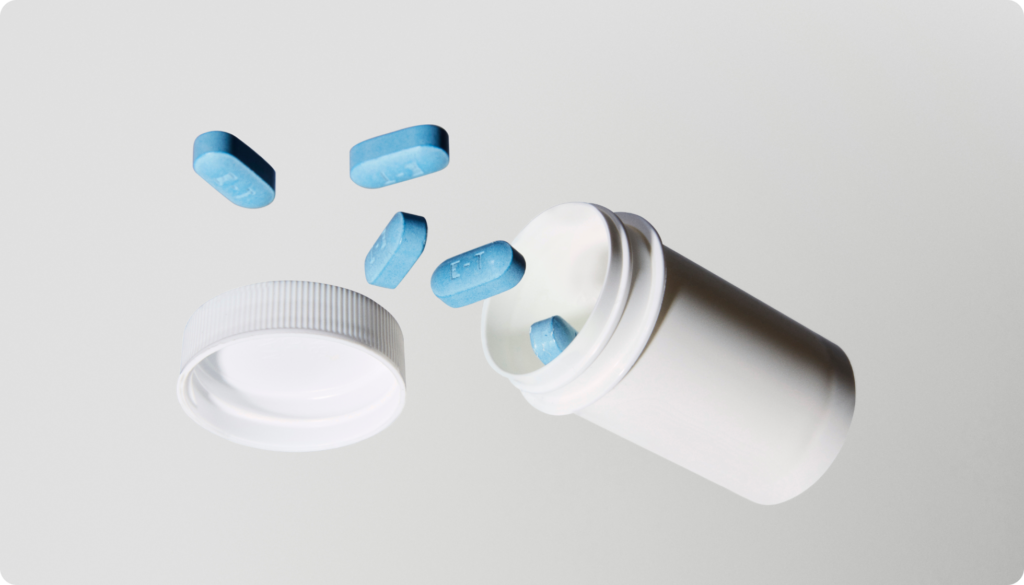
The PrEP (pre-exposure prophylaxis) pill is a type of medication that helps protect people from becoming infected with HIV. It's important because it's an effective method of lowering the risk of HIV transmission.
PrEP (Pre-exposure Prophylaxis) is an incredibly effective tool in preventing HIV, but to ensure its effectiveness, it's essential to know how to take it.