



Injection guide: week 1
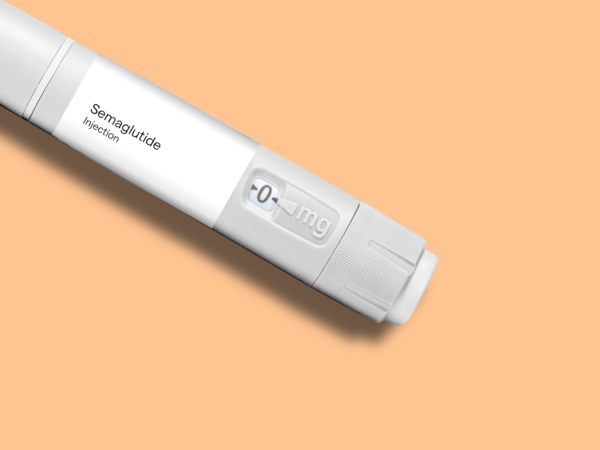
Using your pen, inject one dose of 0.25 mg once this week.We recommend keeping track of your injections and doses each week by recording them in your calendar. For instructions on how to use your pen, refer to the treatment guide provided with your medication or speak to your pharmacist.
Where to inject
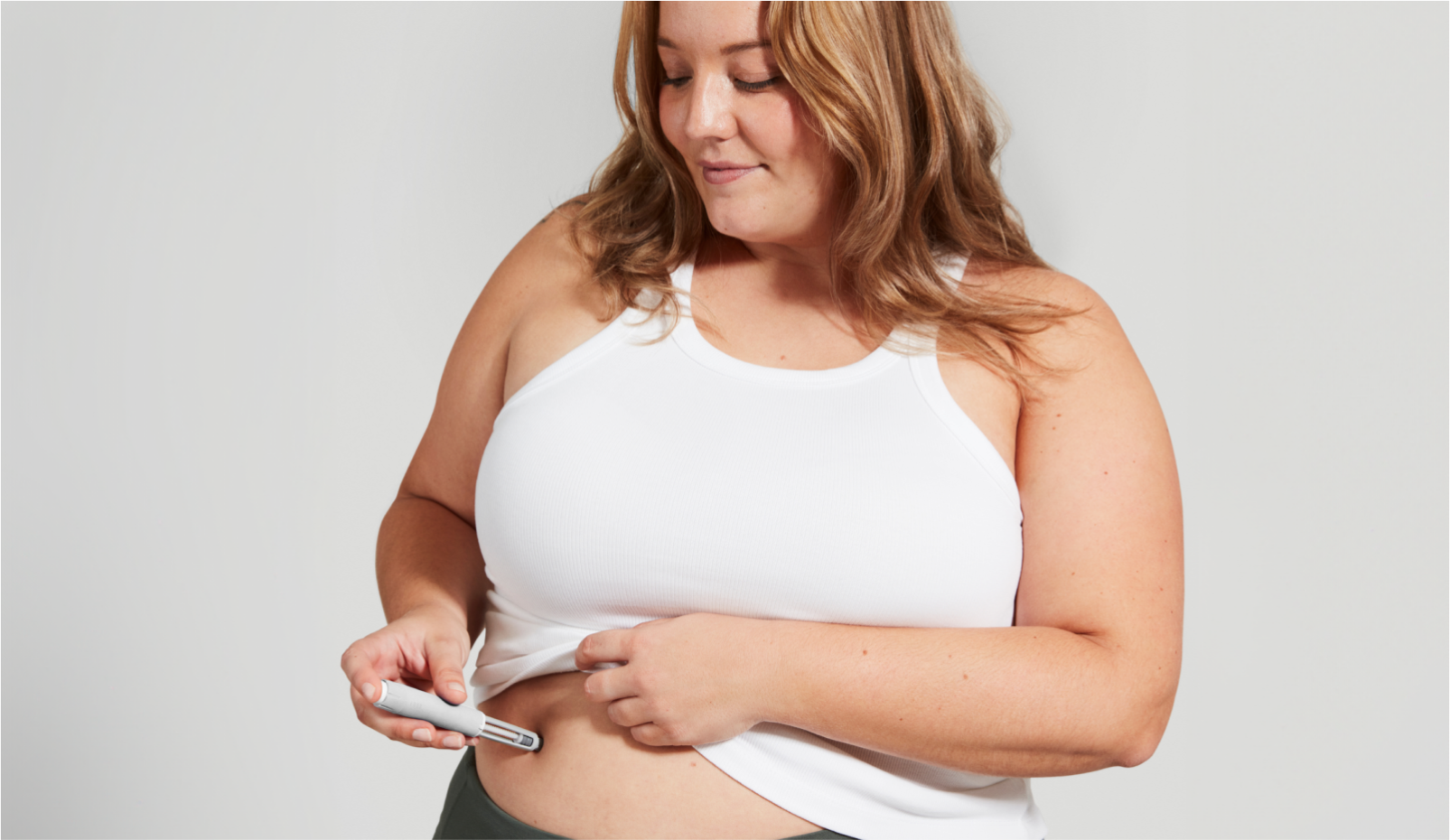
Inject into the lower stomach area, about 1-2 inches away from the navel. This is usually easiest and ensures the medication gets absorbed into your bloodstream quickly. Other good injection sites include upper legs (thighs) and upper arms.
You should choose a new injection site each week, leaving 1-2 inches between sites to avoid irritation.
How to store your medication
To remain stable and effective, the medication in your pen must remain between 2 to 30°C. If the temperature in your home exceeds this range, it’s best to store your pen in the fridge.
The medication will be stable for up to 56 days after it’s been dispensed if stored within the given range.
How to check the medication in your pen
You can view your medication through a window on the side of the pen. The liquid in your pen should be clear.
If the liquid isn’t clear or you notice anything floating in it, stop taking it and contact your pharmacy as it may be spoiled.
Common side effects of injectable semaglutide
Common side effects include nausea, acid reflux, diarrhea, constipation, vomiting, fatigue and headaches. These typically resolve within a couple of weeks.
If your side effects last longer or become moderate, frequent, or unmanageable, message your healthcare practitioner. If they become severe (e.g., significant or persistent abdominal pain), seek in-person care with a healthcare practitioner, or visit a walk-in clinic or the emergency department.
Semaglutide FAQs
We’ve rounded up some of the most frequently asked questions about injectable semaglutide:
What does my first 3 months of treatment look like?
How does the renewal process for my medication work?
Introducing Felix’s sustainable weight management course

Module 1: Getting started
Access to our sustainable weight management course is included as part of your treatment.
This 10-module course will help you develop the tools and mindset to make lasting lifestyle choices.
The information provided in this guide is not meant to replace the medical guidance given to you by your healthcare practitioner. If this information conflicts with what your practitioner has told you, always follow their direction first.