



There are a variety of different types of STIs out there to watch out for, each of which with its own identifying characteristics, as well as potential long-term complications if left untreated. Syphilis is one of these STIs.
To help you better understand what the stages of syphilis are, the difference between early and late stage Syphilis symptoms, as well as some long-term effects of Syphilis that can occur if you don’t get this condition diagnosed and treated.
Syphilis Transmission: How the Infection Spreads
Syphilis is a bacterial STI, which can be passed through having unprotected vaginal, oral, and/or anal sex with someone that’s infected. Direct contact with affected areas is another way how Syphilis does spread, even with barrier methods of protection (i.e., condoms).
It’s important to note that babies can actually contract Syphilis during pregnancy or through the birthing process. When this occurs, it can lead to very serious health problems for children, even sometimes resulting in death.
The Four Stages of Syphilis: Symptoms & Timeline
If you’ve been wondering what the 4 stages of Syphilis are, they start with immediate exposure and end with indefinite infections that are left untreated. These include:
- Primary Syphilis
- Secondary Syphilis
- Latent Syphilis
- Tertiary Syphilis
Each stage may develop their own symptoms, and earlier stage symptoms of Syphilis may recur during later stages, if the infection continues to be left untreated and uncontrolled.

Primary Syphilis: The First Signs of Infection
Primary Syphilis refers to the period between 3 days and 3 months after the initial exposure. In some cases, Primary Syphilis may be asymptomatic, where patients don’t experience any noticeable symptoms of their Syphilis exposure.
Those that do experience Primary Syphilis symptoms could experience a small, painless sore at the area that’s been infected (i.e., anus, throat, etc.). Women may develop these sores on their cervix, which will only be visible during a gynaecological check-up.
Primary Syphilis symptoms may disappear on their own, but doesn’t mean that you’re no longer infected or contagious.
Secondary Syphilis: What to Expect After the Initial Infection
Secondary Syphilis is the period between 6 weeks and 6 months after the initial exposure. Again, some patients may find their Secondary Syphilis to be asymptomatic, but others may develop a larger range of Syphilis symptoms, such as:
- Muscle and/or joint pain
- Hair loss (patchy)
- Rashes (especially on palms and soles of feet)
- Flu symptoms
- Swollen glands
- Fever
- Weight loss
- Headaches
- Generally feeling unwell
- Eye infections
- Meningitis
- Flat, smooth warts in the genital area
- Infections in the eyes
Similarly to Primary Syphilis, Secondary Syphilis symptoms may disappear on their own, but it doesn’t mean that you’re no longer infected, or that you can’t spread the infection to others.
If you’re experiencing any of the symptoms of Syphilis, and you haven’t yet been tested or diagnosed for this STI, be sure to complete an assessment to get started with Felix today. We can help you take the first steps towards taking back your health and quality of life.
Latent Syphilis: When Symptoms Disappear, But the Infection Remains
Latent Syphilis is the period that is divided between less than and more than a year. Many people may find Latest Syphilis to be asymptomatic, although lesions, rashes, or other symptoms of Primary or Secondary Syphilis may recur.
How long is Syphilis infectious? Although many people don’t realize this, Latent Syphilis is still contagious in its early stage. Not only are you still contagious throughout the early stages of Latent Syphilis, the bacteria may continue to grow and spread within your body, which can lead to major long-term health complications.
The infection stops spreading as easily sometime in the later stages of Latent Syphilis, though the exact timeframes may vary from person-to-person. However, pregnant women with Latent Syphilis can still pass the infection on to their baby.
Tertiary Syphilis: Serious Long-Term Effects of Untreated Syphilis
Tertiary Syphilis is the period between 2 years of infection and 30 years or more of untreated infection. Tertiary Syphilis occurs in roughly 40% of untreated cases.
This is the final and most destructive stage, where Syphilis complications caused by the bacteria begin to appear. These Syphilis long-term effects include potential damage to your brain, heart, bones, and/or blood vessels. Learn more about the long-term effects of STIs.
In severe cases, untreated Syphilis can even lead to death.
How Long Does Each Stage of Syphilis Last?
Each of the 4 stages of Syphilis represents a general period of time after initial exposure, which helps track your potential Syphilis symptoms, as well as the risks of Syphilis complications you’re experiencing.
- Primary Syphilis: 3 days through 3 months
- Secondary Syphilis: 6 weeks through 6 months
- Latent Syphilis: Less than 1 year through over a year
- Tertiary Syphilis: 2 years through 30+ years
What Happens If You Leave Syphilis Untreated?
If you leave Syphilis untreated indefinitely, it will continue to grow and spread indefinitely. Syphilis will not go away on its own. Eventually, the long-term effects of untreated Syphilis are complications like:
- Brain damage
- Heart issues
- Bone density loss
- Blood vessel problems
- Death
How to Prevent Syphilis: The Importance of Early Detection and Treatment
The importance of early detection with Syphilis can’t be overstated, because the longer the infection goes untreated, the more Syphilis has the opportunity to spread and continue damaging areas of your body.
Not only does early detection and treatment of Syphilis help reduce the risks of long-term Syphilis effects and complications, but it reduces the opportunity for negative symptoms to appear, which can impact your quality of life.
It also reduces the chances of accidentally spreading this infection to the people you love. This is why Felix is committed to helping patients across Canada access essential testing and information to assist with diagnosing STIs like Syphilis.
With Felix in your corner, not only can you give your doctor the essential information they need to find the right treatments for you, but you can start taking back control of your sex life, so you can get back to living life on your terms – the way it should be!
Frequently Asked Questions About Syphilis:
What are the First Symptoms of Syphilis?
The first symptoms to appear with Syphilis (if it’s not asymptomatic) is usually a small, painless sore at the affected area of infection. This often involves either the anus or throat.
In some cases, people with a uterus may develop these sores on their cervix, which require a gynaecologic examination to find and identify. In many cases, these painless sores will heal on their own, but if left untreated, the Syphilis is still contagious and present.
Can Syphilis Go Away on Its Own Without Treatment?
No, it can’t. In fact, it will get worse.
What happens if you leave Syphilis untreated is that complications can begin to arise, as the infection works its way deeper into your body, and it has the opportunity to start impacting other areas, like your brain and heart.
What are the Long-Term Effects of Untreated Syphilis?
Parts of your body that you may not even realize can be affected may be damaged by the long-term effects of Syphilis complications, such as:
- Heart
- Brain
- Bones
- Blood vessels
Left untreated, Syphilis can even lead to death in some patients.
How Long is Syphilis Contagious?
Syphilis may be contagious for as long as the end of the Latent Syphilis stage. It’s not until Syphilis becomes Tertiary that it is no longer contagious.
However, it’s when it’s reached the Tertiary Syphilis stage that the infection begins doing the most long-term damage to your body, if it’s continued to be left unmanaged.
Can You Get Syphilis Even If You Don’t Have Symptoms?
Yes, in some cases Syphilis may be asymptomatic. This means that some patients may be exposed to Syphilis, but have no symptoms that are recognizable as part of an STI or trigger the desire for testing.
This is why periodic testing is essential if you believe you’re even at a small risk of exposure to Syphilis. These tests can help identify asymptomatic Syphilis, so that you can seek treatment prior to the infection doing your body permanent harm.
Can Syphilis Cause Permanent Damage?
Yes, if left untreated, Syphilis can cause permanent damage to certain parts of your body, including:
- Blood vessels
- Brain
- Heart
- Bones
In some cases, Syphilis complications can even lead to death. This is why it’s essential to identify and get treatment for this STI if you become exposed.
How Does Syphilis Affect Pregnant Women?
Not only can Syphilis affect pregnant women with the same symptoms as other patients, there are the risks that Syphilis can pass to an unborn child. Syphilis may also pass to a child during birth.
In both of these scenarios, Syphilis can lead to complications for children, causing major damage to their health, and in some cases, even resulting in death.

How is Syphilis Diagnosed?
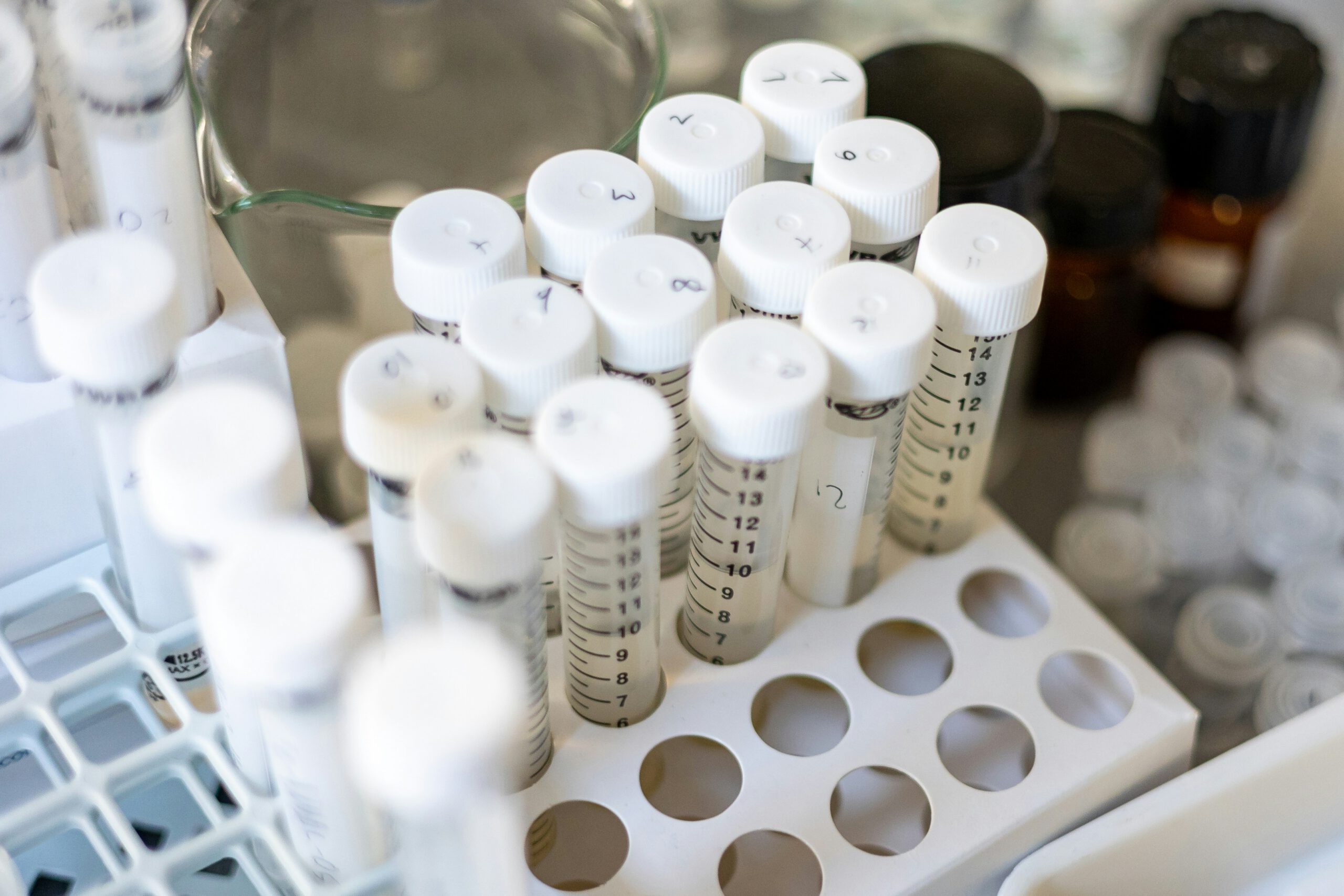
As Syphilis is a blood-born STI, it’s identified through blood testing.
When you contact Felix for assistance in beginning your STI identification and protection process, we can assist with requisitioning lab testing for you, so that your healthcare practitioner can provide you with a clear diagnosis of whether or not you have contracted Syphilis.
If so, your Felix healthcare practitioner can use this information to identify the best course of action for you, as well as provide guidance and support throughout this process.
Can Syphilis be Transmitted Through Kissing?
Yes, it’s possible. Particularly deep kissing, and if you’re kissing someone who has a sore or cut in their mouth while carrying the bacteria; although this is an unlikely scenario.
Although Syphilis bacteria is present in saliva, it’s not likely to be transferred through saliva alone. The presence of oral sores means that blood may be present in saliva, even if unnoticeable amounts, which can lead to exposure.
How Can Syphilis be Prevented?
Wearing protection during oral, vaginal, and/or anal sex is one of the best ways to prevent Syphilis, although direct contact with sores during sexual contact may lead to exposure, even if you’re using a condom.
Avoiding sexual activities with known infected partners until they’ve sought treatment and their infection is cleared up is another way to prevent being exposed to the bacteria.
In addition to these methods of prevention, regular testing (every 3-6 months if you’re at risk) is a smart choice, as you can help identify infections as soon as possible after exposure, which can reduce the risks of Syphilis symptoms, long-term effects, as well as spreading the infection to your partner(s).
How Do You Know If You Have Syphilis?
That’s the difficult thing about STIs like Syphilis, which may be asymptomatic – you may not know you’ve been exposed; especially if you regularly engage in unprotected sex and don’t get tested periodically.
Thankfully, you can request testing every 3-6 months through your practitioner, who can help facilitate getting checked, so you can enjoy the peace of mind that you and your partners are protected.
How Do I Access Testing for Syphilis?
The best way to access testing for Syphilis is to get started at Felix today and request online STI testing that can help your practitioner provide you with a clear Syphilis diagnosis, if you become exposed.
Complete a short assessment, and one of our practitioners will help you take the first steps on your journey to better health and happiness.