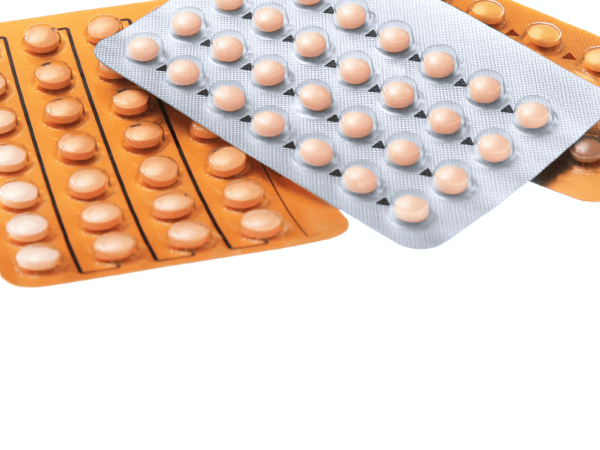




When you’re considering the different types of birth control, the side effects of hormonal birth control methods are something that you should keep in mind, so that you can make educated decisions depending on your own unique needs.
This page will cover some of the hormonal birth control side effects, as well as discuss questions like “does birth control cause anxiety?” or “is there a single best birth control for mood stability?”.
If you’d like to talk to a healthcare practitioner about whether birth control pills are a good option for you, just complete a short online assessment to get started today.

Get birth control delivered to your door
Fast online assessment with a Canadian nurse practitioner. Choose your method, get your prescription, never run out.
Which Parts of Your Body Does Hormonal Birth Control Affect?
Hormonal birth control medications can impact a number of different parts of the body, due to the medications affecting your body’s hormone levels. These can include:
Ovaries
Hormonal birth control works to suppress ovulation (the release of an egg from your ovaries), by regulating your estrogen and progesterone levels.
Cervical Mucus
Hormonal birth control can also change the consistency of your cervical mucus, making it thicker. This increases the difficulty for sperm that are trying to enter the uterus, resulting in a lower chance of fertilization.
Uterus
Hormonal birth control medications may thin the lining of your uterus (called the endometrium). This makes your uterus less receptive to the implantation of an egg that’s been fertilized.
Menstrual Cycle
Some hormonal birth control medications help to regulate your menstrual cycle, by preventing the natural hormonal fluctuations that cause ovulation and menstruation.
Hormonal Birth Control and Mental Health
The relationship between hormonal birth control methods and mental health is something that’s an ongoing topic of both research and discussion in the medical community.
Unfortunately, research studies that have investigated the link between hormonal birth control and mental health have produced mixed results. Some studies found an association between hormonal birth control and anxiety or depression symptoms, while others found no significant correlation.
This is complicated further because correlation doesn’t necessarily mean causation, and there are many other factors beyond birth control that can influence your mental health.
Additionally, some people have different levels of hormone sensitivity, genetics, and psychosocial factors that can lead to varying levels of response to hormonal birth control.
Hormones can also affect the neurotransmitter levels in your brain (i.e., serotonin and dopamine), which can have an impact on your mood regulation.
Hormonal Birth Control and Mood
Now that you understand a bit about the complicated relationship between hormonal birth control and anxiety or depression, it’s important to note that some people may experience mood changes while taking birth control..
These changes could appear as mood swings, depression, anxiety, or just general irritability.
Not everyone experiences these negative mood swings on birth control. And for those that note changes in their mood prior to their period start may be able to manage these changes with continuous pill use.
While the relationship between hormonal therapy like birth control and mood changes is not entirely clear, if you start to experience significant changes in your mood or mental well-being while on this medication, it’s important to talk to your healthcare practitioner about it.
If you have a previous history of mood disorders or mental health concerns, it’s important to let your healthcare provider know so they can assist in discussing alternative options if needed or share what to look out for and when to seek care.
What are the Most Common Side Effects of Hormonal Birth Control?
Does birth control make you emotional? That’s a difficult question to answer generally. The most common side effects of hormonal birth control will vary depending on each person, the type of contraception, as well as individual factors. However, the general side effects can include:
- Nausea – This is an especially common side effect during the first few weeks on birth control. Some people find taking their birth control at night helps with this.
- Headaches – This can be a side effect of hormonal changes that may impact some people.
- Breast Tenderness – Swelling or tenderness of the breasts may occur for some people; especially in the first few weeks of taking their birth control pills.
- Irregular Bleeding – This could include spotting between periods, lighter/heavier periods, missed periods; again, especially prevalent in the first few months of starting hormonal birth control. While this can be normal when first starting out, if you have irregular bleeding, it’s always important to let your healthcare provider know and to rule out pregnancy or infections if this is a risk.
- Mood Changes – Mood swings, irritability, or changes in emotional well-being (i.e., anxiety, depression, etc.) may occur for some people with hormonal birth control.
- Weight Fluctuations – While less common than some of the other side effects, some people may experience slight weight gain related to fluid retention with these medications.
- Decreased Libido – Some people using hormonal birth control may notice a decrease in or other changes to their libido.
- Acne – Hormonal birth control may improve acne in some individuals, while it can worsen the condition for others; particularly during their initial adjustment period.
- Vaginal Discharge – Changes in vaginal discharge may occur for some individuals.
- Vaginal Dryness – Changes to vaginal lubrication may occur in some cases, leading to vaginal dryness.
If you’re concerned about the side effects of your hormonal birth control, talk to your healthcare practitioner at Felix today. They may be able to suggest an alternative method of contraception that may work better for you.
Is the Pill Safe for Long-Term Use?
With any medication, there are risks and benefits to hormonal birth control.
Patients who are considering hormonal contraception can be counseled that long term use is considered to be safe. There have been studies that show a small increased risk of breast cancer with hormonal birth control, but the overall risk of breast cancer remains low.
It’s important to note that hormonal birth control may lower a woman’s overall risk of cancer by providing protection against other types of cancers (endometrial/ovarian). If this is a concern, there are non-hormonal options that may be discussed.
The key takeaway is that it’s important to review your own individual risks with your healthcare provider and make the decision that is informed and best for you.
What if Hormonal Birth Control Isn’t Right for Me?
That’s okay! Hormonal birth control medications aren’t for everyone, which is why there are a variety of non-hormonal and alternative forms of birth control options.
Some of the non-hormonal options that you could consider may include:
- Copper IUDs
- Condoms
- Diaphragms and Cervical Caps
- Sponges
- Spermicide
- Fertility Awareness
- Sterilization
When Should I Talk to My Practitioner About Birth Control Pills?
Now that you know what you may expect when taking hormonal birth control, if you believe that you’d like to try one of these options, you should talk to your healthcare practitioner at Felix.
Complete a short online assessment to get started, and if your practitioner believes that birth control could work well for you, they can provide you with a prescription for them. If not, they may be able to suggest some alternative forms of birth control that you may want to try.
With Felix in your corner you can take back control of your health and quality of life, so you can get back to living life on your terms – the way it should be.