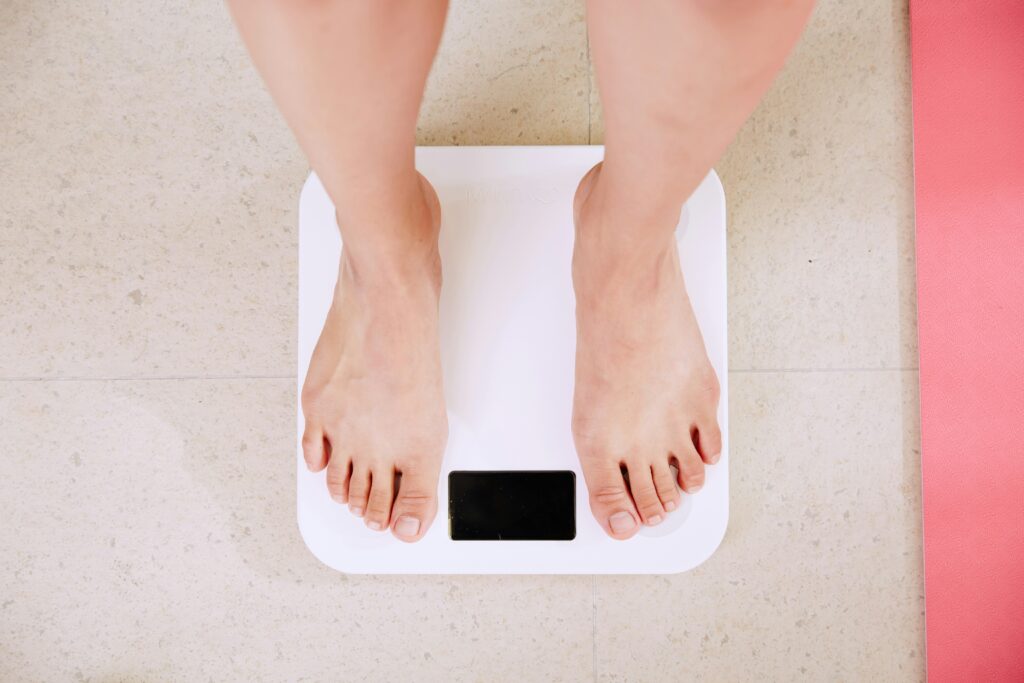




As much as we wish there was a magic elixir we could take for weight loss, the truth of the matter is that weight loss medications function most effectively alongside a healthy lifestyle.
This page will help show you the benefits of combining weight loss treatments with an active lifestyle. For many people, this is a great, healthy way to take back control of your weight and your health. Exercise and cardiovascular health also have a strong relationship; especially as we age.
If you’d like to talk to a healthcare practitioner about starting weight loss medications, complete a short online assessment to get started with Felix today.

Ready to start your weight loss journey?
Get a personalized treatment plan from a Canadian nurse practitioner 100% online, with free delivery and ongoing support.
Why Should I be Active?
Why is it important to stay active? There’s lots of great reasons why you should try to stay active in your daily life, but one of the most important is the overall health benefits that regular exercise can provide.
As we age, our bodies can lose muscle mass and strength; especially if we live a sedentary lifestyle (i.e., sitting all day for work, not exercising regularly, etc.). While there are no immediate benefits of exercise, over time it can have a massive impact on your overall health.
Regular physical activities help reduce this loss of muscle and strength, as well as reduce the risks of certain conditions from presenting as we age (i.e., cardiovascular diseases, etc.).
Also, in regards to weight management, studies have shown that regular physical activity is important long-term weight stability and weight management.
What Types of Activities Help Maintain a Healthy Weight?
The Canadian Physical Activity Guidelines recommend that people over the age of 18 participate in at least 150 minutes of moderate-to-vigorous physical activity per week. There are no specific guidelines in regards to weight loss.
These activities should be done in bouts of 10 minutes or more, and at least twice a week, these activities should include bone and muscle-strengthening exercises.
Aerobic activities of moderate-to-vigorous levels lasting 30-60 minutes are a great place to start, for adults that are looking to lose small amounts of body fat/weight.
These types of activities done regularly may also help reduce abdominal visceral fats, as well as ectopic fats (i.e., liver fats or heart fats), even if they don’t result in weight loss. It may also result in improved cardiovascular health, which can make it easier to perform these activities regularly.
Increasing the intensity of your activities, including high-intensity interval training, can help achieve the next level of cardiorespiratory fitness above regular moderate-to-vigorous activities, and in turn, reduce the time it takes to achieve the same level of results.
NOTE: It’s really important to note that improved overall health should always be your top priority, rather than strictly weight loss. If you’d like to talk to a healthcare practitioner about whether weight loss medications could be a beneficial treatment option for you, complete a short online assessment to get started today.
Benefits of Physical Activity
Regardless of your Body Mass Index (BMI), regular physical activity has a number of different health benefits, outside of weight management.
One of the most valuable benefits for your body is that regular aerobic and resistance exercises can improve your level of cardiorespiratory fitness, mobility, strength, and muscle mass.
Because many other activities don’t target these areas, and can actually be negatively impacted by other therapies (i.e., caloric restriction, medications, bariatric surgery, etc.), these types of exercises are important to include in your ongoing fitness regimen.
Overall, increasing your levels of regular physical activity may help you live better, live longer, and feel good while you’re doing it. If you’re going to use weight loss medications with exercise, these two elements will work in tandem towards helping you meet your weight management goals.
Physical Activity and Cardiovascular Disease
Regular physical activity can improve many cardiometabolic risk factors for adults that are overweight or experiencing obesity, such as:
- Hyperglycemia and insulin resistance
- High blood pressure
- Dyslipidemia
As mentioned earlier, regular aerobic activity at a moderate-to-vigorous level of intensity can improve your cardiorespiratory fitness, which can have a positive impact on your mobility, strength, and muscle mass.
It can also potentially reduce ectopic fats (fat in other tissues), which is good for your overall heart health and may help reduce your risk of cardiovascular disease as you age.
If you’d like to talk to a practitioner about whether weight loss medications may be beneficial for you (alongside increased physical activity) to reduce your risks of cardiovascular disease and improve your overall health, complete an assessment to get started today!
Exercise and Metabolism
For people that are living with overweight or obesity, increasing your physical activity may be an integral part of all the obesity management strategies they try.
There haven’t been a lot of studies done on the direct correlation between exercise and metabolism. We do know that maintaining a strong metabolism requires a healthy diet, as well as maintaining an ongoing healthy caloric intake (i.e., not taking in excessive calories daily and not being severely calorically deficient daily).
When you’re creating meal plans that support your goals, as well as scheduling regular physical activity into your daily life, both your exercise routine and metabolism may begin to support your weight management journey.
Daily Activity for Your Bones and Muscles
Exercise and muscles have a very strong relationship. The more you exercise, the stronger and healthier your muscles become. It will also help determine your flexibility and mobility; especially as you age.
While muscle strength and mass don’t have a direct correlation to weight gain, living a sedentary lifestyle can encourage strength loss and muscle mass loss, which can lead to difficulty performing regular physical activities.
The same can be said for bone strength. Performing bone-strengthening exercises (i.e., activities where your muscles push and pull against bones), helps make them stronger.
Not only do these factors play a huge role in our daily quality of life as we get older, but if they’re neglected, they can have a negative impact on your weight management over time, and may reduce your ability to easily perform the regular physical activities.
What if Daily Activity isn’t Enough for Weight Management?
If you’re finding that daily physical activity isn’t enough to help you with your weight management goals, then it could be time to look at what lifestyle modifications can make you better support your weight management goals.
This could include dietary changes, increasing the volume of activity you’re doing, changing the type of exercise you’re doing, or seeking weight loss medications with your exercise regimen to assist with achieving your weight management goals.
If you’d like to talk to a healthcare practitioner from Felix about whether prescription weight loss medications could benefit you, just complete a short online assessment to get started.
Weight Loss Medication Plus Diet and Exercise
While taking weight loss medications isn’t the first thing that you should try when you’re trying to improve your weight management strategies, weight loss medications with exercise may be a beneficial treatment option.
For a long time, many practitioners believed in the outdated ‘eat less, move more’ mindset, which simply does not work for many people.
Now that we understand how large of an impact biology and genetics can have on a person’s weight, we know this old-school mentality isn’t inclusive for all patients that are experiencing overweight or obesity.
In these scenarios, trying weight loss medications with exercise and healthy dietary choices may be a great combination effort.
SIDE NOTE: It’s important to note that weight loss medications may not be right for everyone. That’s why it’s so important to talk to your healthcare practitioner about your health and medical history, prior to requesting prescription weight loss medications to go with your exercise routine.
When Should I Talk to My Healthcare Practitioner About Weight Loss Medications?
Hopefully, now you understand a bit more about why exercise is important in our daily life, but if you’ve been trying this strategy for a while and aren’t achieving the results you want, it could be time to talk to a healthcare practitioner at Felix.
Just complete a short online assessment, and if your practitioner believes that weight loss medications with exercise and a healthy diet could be beneficial for your weight management goals, they can provide prescriptions for you if appropriate.
With Felix in your corner, you can take back control of your weight and your health, so that you can get back to living life on your terms – the way it should be.