͏ ͏ ͏ ͏ ͏ ͏ ͏ ͏ ͏ ͏ ͏ ͏ ͏ ͏ ͏ ͏ ͏͏ ͏ ͏ ͏ ͏ ͏ ͏ ͏ ͏ ͏ ͏ ͏ ͏ ͏ ͏ ͏ ͏͏ ͏ ͏ ͏ ͏ ͏ ͏ ͏ ͏ ͏ ͏ ͏ ͏ ͏ ͏ ͏ ͏͏ ͏ ͏ ͏ ͏ ͏ ͏ ͏ ͏ ͏ ͏ ͏ ͏ ͏ ͏ ͏ ͏͏ ͏ ͏ ͏ ͏ ͏ ͏ ͏ ͏ ͏ ͏ ͏ ͏ ͏ ͏ ͏ ͏͏ ͏ ͏ ͏ ͏ ͏ ͏ ͏ ͏ ͏ ͏ ͏ ͏ ͏ ͏ ͏ ͏ ͏ ͏ ͏ ͏ ͏ ͏ ͏ ͏ |
|
|
| Three blood tests you might be overlooking The bloodwork behind the bloodwork | 01 | | What’s new with the program DEXA scans and VO2 max testing, coming soon | 02 | | What we're reading Three longevity stories worth your time this month | 03 | | Longevity is contagious Pass it on and earn rewards | 04 | |
Three blood tests you might be overlooking |
Bloodwork blindspots
The last blood panel your doctor ordered for you probably included LDL, HDL, triglycerides, and total cholesterol. These three biomarkers have been part of the de facto standard panel for decades. But the standard panel has some blindspots. For example, it doesn't measure inflammation. It also doesn't measure genetics risks. Indeed - it's missing a whole lot of things that can be useful in assessing overall health and aging.
Today, we're going to focus on three biomarkers that are missing from most standard panels - yet can be powerful indicators of your health and well-being: - Lp(a) (pronounced "L-P little a") is a cholesterol-like particle your body produces. About 1 in 5 adults has a high level, which raises heart disease and stroke risk 2 to 4 times over standard levels. Diet doesn't affect it. Exercise doesn't affect it. Standard cholesterol medications can barely change it. That's because it's primarily determined by your genetics. That's why cardiology groups in the U.S. and Canada recommend measuring it once in your life and using the answer to guide every heart health decision that follows (ACC 2018; CCS 2022). Real-world testing rate: about 1 to 2 percent (JACC Advances, 2025).
- ApoB is a protein found on every LDL particle and on other particles that can carry cholesterol into artery walls. Each particle has one ApoB, so ApoB indicates how many potentially harmful particles are in your blood. By comparison, LDL cholesterol measures how much cholesterol the LDL particles are carrying—not how many LDL particles there are. Two people can have the same LDL level but different ApoB levels. When the results differ, ApoB may provide a clearer picture of heart-disease risk. (J Clin Lipidol, 2024).
- Fasting insulin measures how much insulin your body produces before you eat. It differs from standard diabetes tests, which measure blood sugar—not insulin. Early in insulin resistance, your body produces extra insulin to keep blood sugar normal. As a result, fasting insulin may become elevated while fasting glucose and HbA1c still appear normal. This may provide an earlier opportunity to improve insulin sensitivity through sleep, exercise, nutrition, and body composition (Fiorentino et al., 2024).
Why aren't these standard? None of these tests are new. Lp(a) has been available since the 1980s, ApoB since the late 1970s, and fasting insulin for more than 50 years.
So why aren’t they routinely tested? Cost and insurance coverage are part of the answer. Insurers tend to cover tests already included in clinical guidelines, which influences what doctors order. But coverage isn’t the only barrier. Tests also need standardized methods, clear reference ranges, and evidence that the results will change a patient’s care. The Felix view None of these tests are rare or particularly expensive. They're just not part of the default lab menu that most family doctors work from. If you're not sure whether your last blood work included them, you might consider joining the Longevity program, which includes all three markers – alongside a host of others. That's the thinking behind the Felix Longevity panel. All three of these markers are on it by default, alongside the standard ones your GP already runs. The broader point isn't about any specific test. It's about how much of longevity medicine is already sitting on a lab menu, waiting to be ordered. TLDR: Three blood tests (Lp(a), ApoB, and fasting insulin) predict heart disease and diabetes better than the standard lipid panel does. They rarely show up on an annual physical, and they're worth knowing about.
→ Read more: Lp(a) testing trends and clinical guidance (JACC Advances, 2025) |
 | | A deeper dive using Lp(a), apoB and fasting insulin blood tests gives us a more comprehensive view of your cardiovascular risk. With earlier risk stratification, we can help prevent more heart attacks and strokes in the long term. | | Dr. Kelly Anderson | | Chief Medical Director @ Felix | |
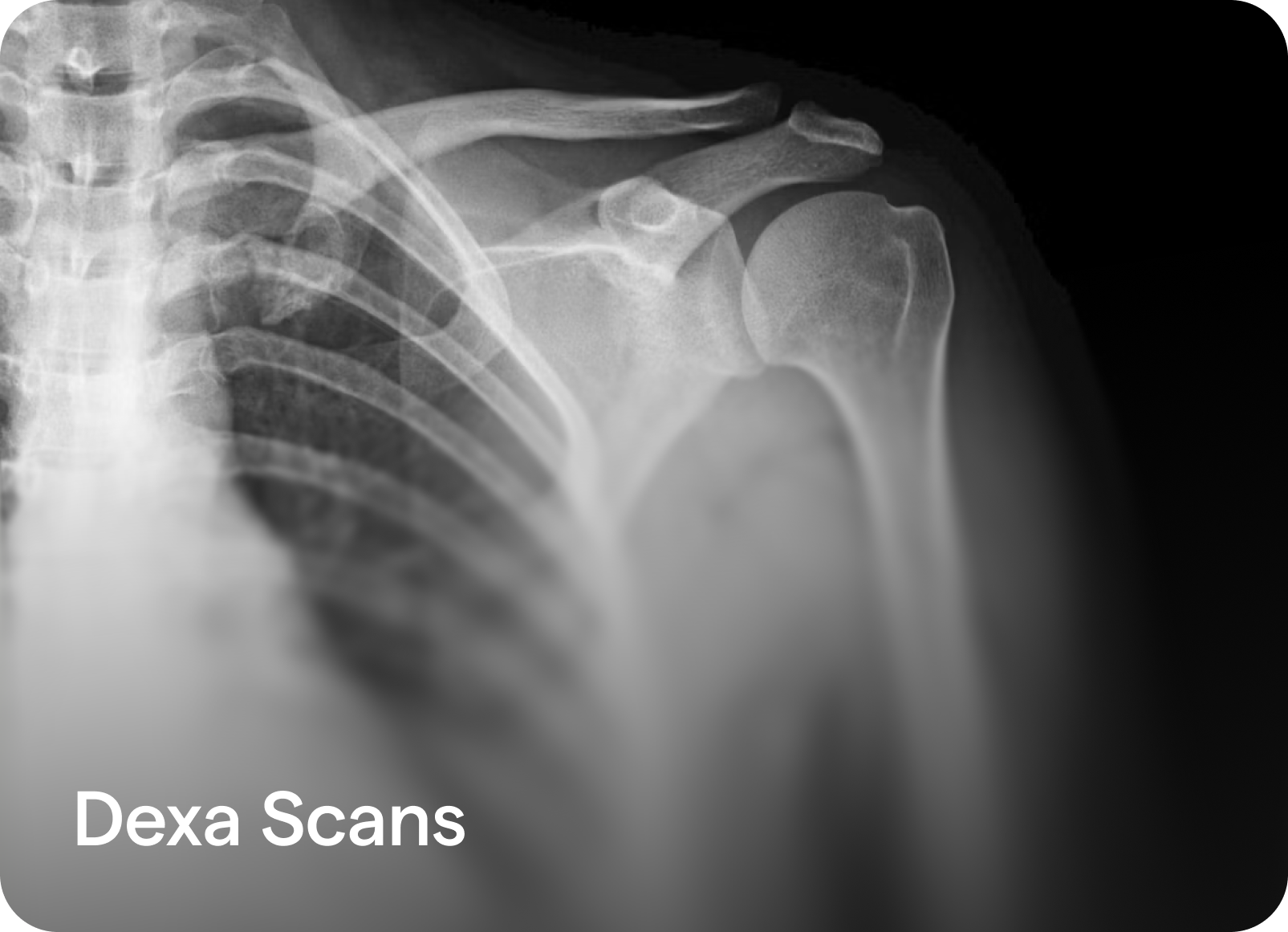
Coming soon: 🩻 See your body composition, in high resolution. |
A DEXA scan shows what BMI and a bathroom scale can’t: how much of your body is muscle versus fat, and where each is distributed. No more relying on weight alone to understand your body composition. Coming to Felix Longevity in the next few weeks |
Coming soon: 🫁 VO2 max, on demand. |
VO₂ max measures your cardiorespiratory fitness—how well your heart, lungs, and muscles work together during intense exercise. The more oxygen your body can use, the greater its capacity for sustained effort. Unlike steps or resting heart rate, VO₂ max measures what your body can do when pushed. It’s one of our most-requested additions, and it’s coming in the next few weeks. |
A UK Biobank study of nearly 90,000 adults found that people who fell asleep between 10 and 11 PM had the lowest six-year incidence of cardiovascular disease. Both earlier and later bedtimes carried higher risk. Causation or correlation? We're not totally sure—but we'll take any reason to stop doomscrolling 'til 2 a.m. → Read more (European Heart Journal: Digital Health, 2021) A 2017 meta-analysis of 87 studies found that each additional 10 beats per minute at rest was independently associated with higher risk of cardiovascular death and all-cause mortality. Best ways to lower your heartrate? Prioritize sleep, do more cardio, and manage stress. A quality wearable can help you track your progress over time. → Read more (Nutrition, Metabolism & Cardiovascular Diseases, 2017) 👂 Hear us out, lower your risk of dementia The 2024 update of the Lancet Commission on Dementia Prevention estimated that treating hearing loss could prevent about 7% of dementia cases worldwide, more than any other single intervention on their list. The likely mechanisms: straining to hear pulls cognitive resources away from memory and other functions, and years of reduced social contact compound the effect. Hearing aids remain the most effective treatment. |
 | Refer a friend → Get $50 value in points After their first completed assessment. | |
That's it for this month's Later. If the three tests above aren't part of the bloodwork you usually get, they're on the Felix Longevity panel by default. Something to think about the next time you're due for a check-in. — Felix Longevity |
What did you think of this month’s brief? |
|
|
Communications from Felix Health Inc. and subsidiaries are not a substitute for medical advice, diagnosis, or treatment. If you have any medical questions or concerns, please talk to your healthcare practitioner. If you are experiencing a medical emergency, seek help immediately by going to your nearest emergency department or by calling 911. |
|
|
|